Ask most new EV owners in Abuja where they will charge and the answer is usually vague. In practice there are four places an EV charging station in Abuja can live, and they serve very different purposes. Understanding which one carries the bulk of your charging makes the whole ownership question much simpler.
1. Home charging: where most of your energy will come from
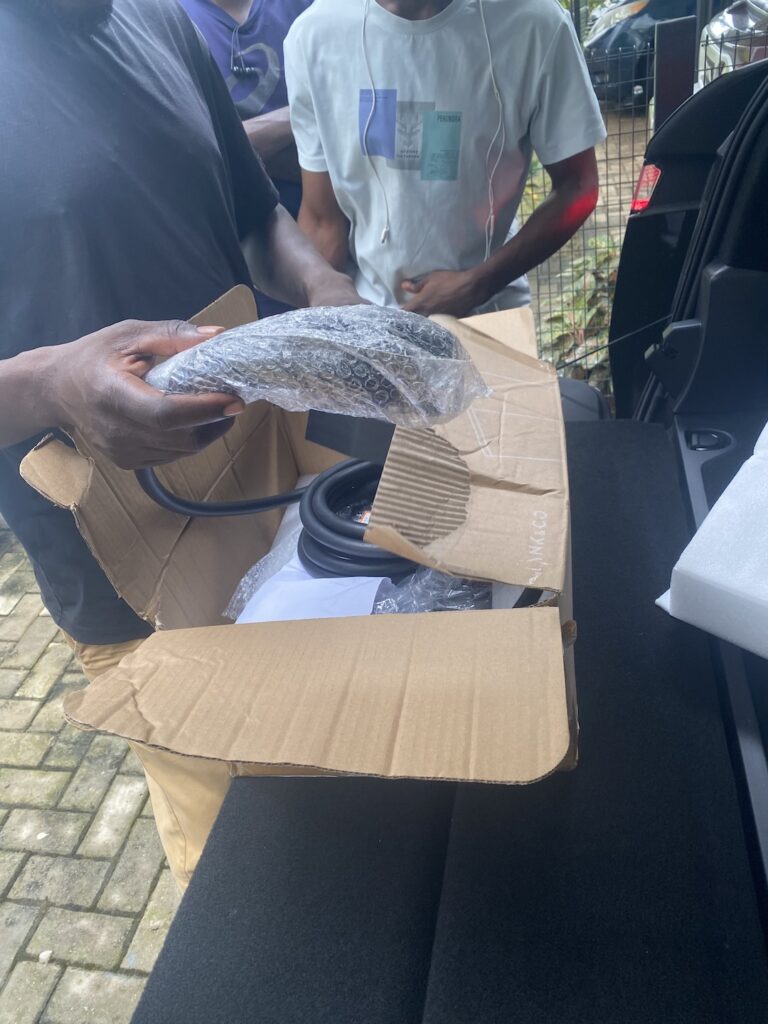
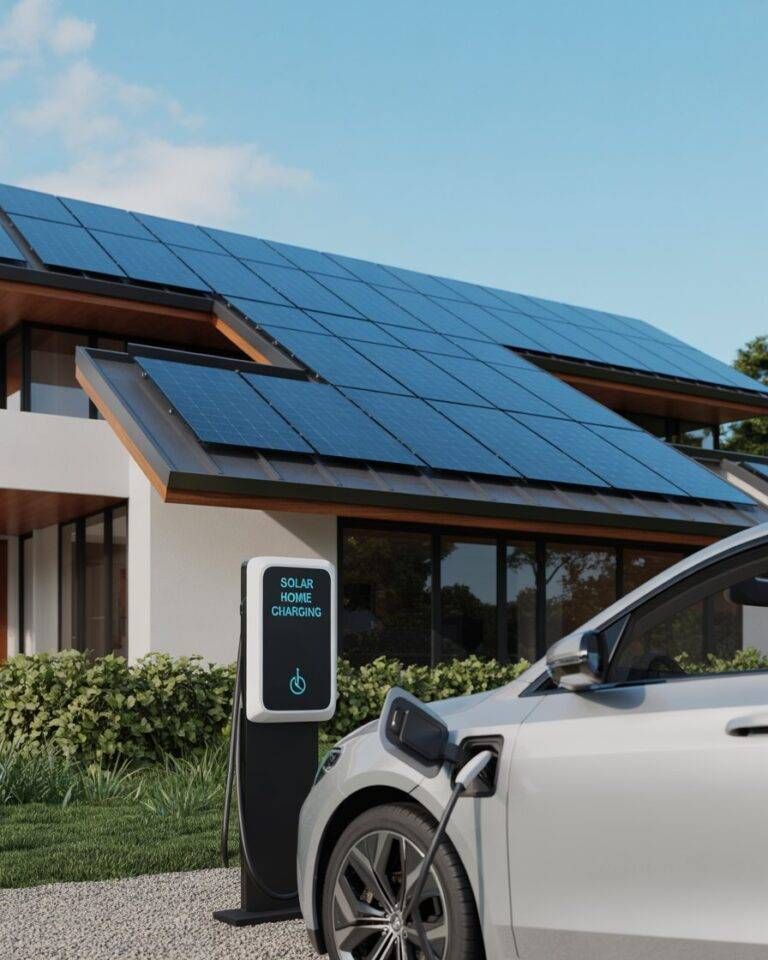
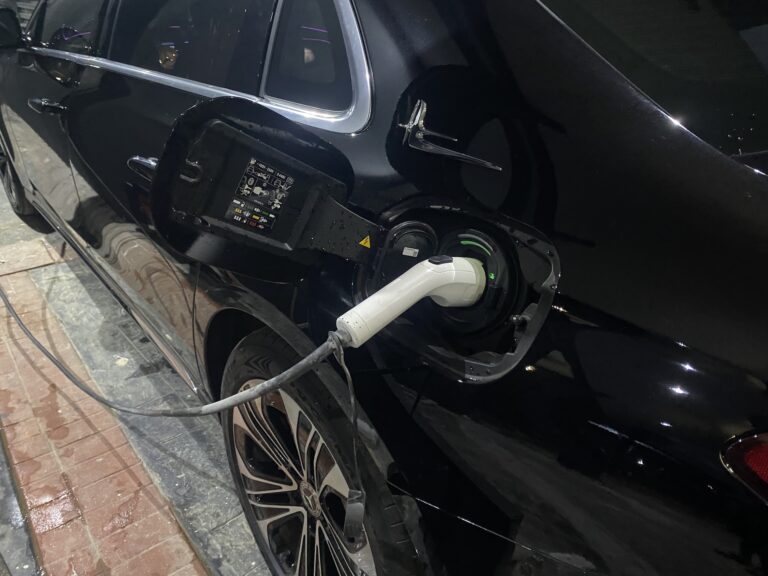
For a private owner, the home charge point does eighty to ninety per cent of the work. The car sits still overnight for eight or more hours, which is far longer than it needs on a 7.4kW wallbox. You never queue, you never plan around it, and the cost per unit of energy is whatever you already pay.
This is why the first thing we tell any new EV owner is to sort the home charger before worrying about public infrastructure. Our complete guide to home EV charger installation in Abuja covers what that involves.
2. Estate and shared compound charging
Apartment blocks, gated estates and shared compounds are the trickiest case, because the parking is shared and so is the supply. The wrong answer is everyone running an extension lead from their flat. The right answer is a planned set of bays fed from a properly sized supply, with metering so each resident pays for the energy they actually draw.
For a second view on residential and estate charge points in the FCT, see EV Charger Abuja. These installations are best done once, with room to grow. You may fit two bays this year and six in three years. Planning the cable route and the supply capacity for the larger number from day one costs far less than doing the work twice.
3. Workplace and commercial charging
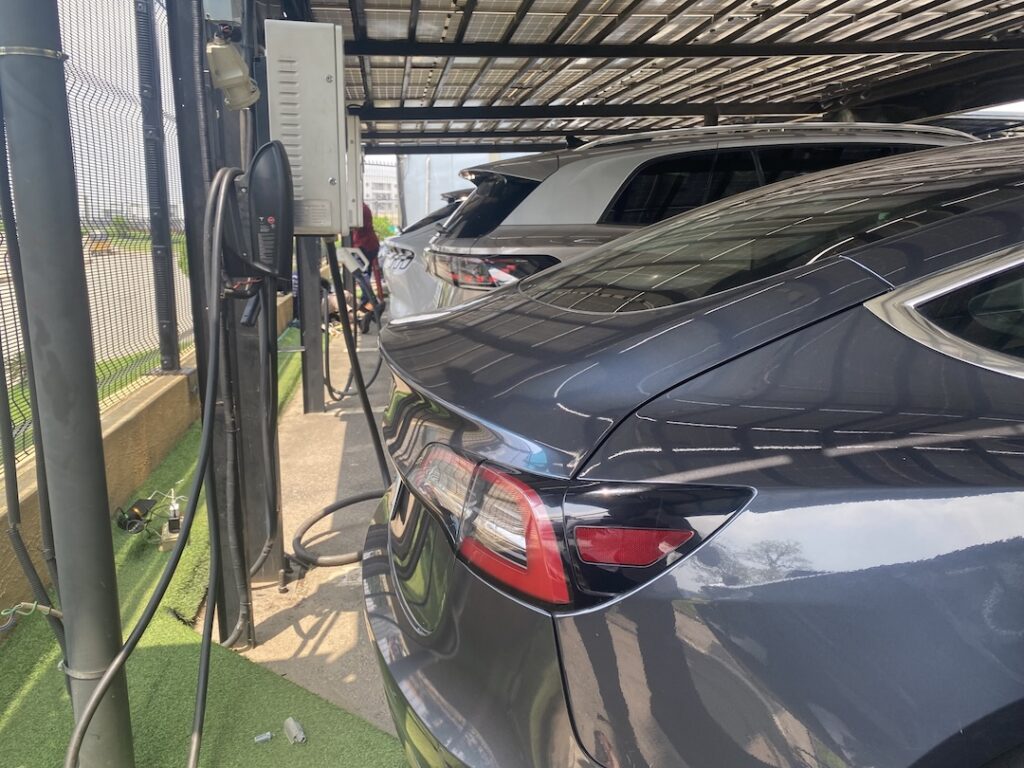
Workplace EV charging is where the picture changes fastest. Offices, hotels, malls and serviced apartments are where a commercial EV charging station is becoming a service rather than an amenity. A car parked at an office for eight hours needs nothing faster than AC charging, so a bank of Type 2 units is usually the right specification and a fraction of the cost of DC.
For fleets and depots the calculation is different again: the vehicles return at a predictable time, so the site has to deliver a known amount of energy in a known window. That is a sizing exercise, and it is what decides whether the site needs AC bays, DC units, or a mix, and it is the same arithmetic behind what an installation costs.
4. Public DC fast charging
Public EV charging stations are what make longer trips out of the FCT practical, and the network across Nigeria is still thin and changing quickly. Treat it as a top-up on a journey rather than as your everyday supply. Charging exclusively on public DC is both the most expensive and the least convenient way to run an EV.
Because the picture changes month to month, check a live charging map before relying on any particular site, rather than trusting a list published a year ago.
How to think about the mix
- Daily commuting in Abuja: home charging alone will cover it comfortably.
- No off-street parking: workplace or estate charging becomes your primary source, so push for it.
- Regular long trips: home for daily use, public DC as a planned stop, not an emergency one.
- Running a fleet: depot charging sized to your return window, with fast charging as backup.
Getting a charge point installed
Whichever of these applies to you, the engineering questions are the same: what can the supply deliver, how far is the cable run, how many vehicles need to charge at once, and how will the energy be metered. We work through all four before recommending anything. See our EV charging services for how each type of site is handled.
Planning a charging station for a home, estate or business in Abuja? Call (+234) 706 727 6002, message us on WhatsApp, or book a free site assessment.